Industrial PCs
Overview
Industrial personal computers serve as the computing backbone for modern edge processing environments where monitoring systems, wireless readers, and sensor networks generate continuous operational data. These systems are designed to process information close to equipment, allowing organizations to monitor asset location, device status, and operational movement without relying entirely on centralized cloud infrastructure.
Rugged industrial computing platforms differ significantly from conventional office computers. They are engineered for continuous operation in environments with vibration, dust, electrical interference, and temperature variation. Specialized hardware architecture allows these systems to integrate with identification readers, sensor networks, communication gateways, and device monitoring systems deployed across industrial facilities.
Industrial PCs support local data acquisition, filtering, and processing before transmitting results to enterprise monitoring platforms. This approach reduces latency and improves reliability when managing equipment identification and monitoring systems distributed across warehouses, factories, laboratories, and logistics environments.
Asset Track Pro provides industrial computing hardware designed to support reliable edge computing infrastructure for equipment visibility systems deployed across North America and international industrial environments.
Industrial PCs are ruggedized computing systems designed to operate reliably in demanding industrial environments while supporting connectivity with monitoring devices, wireless readers, and sensor networks used to observe equipment movement and operational status.
These computing platforms typically feature extended temperature components, industrial-grade motherboards, solid-state storage, and reinforced enclosures designed to withstand mechanical stress and environmental exposure. Long lifecycle availability ensures that identical hardware configurations remain available for years, which is critical for industrial infrastructure deployments.
Several types of industrial computing systems are commonly used in monitoring architectures.
Fanless Industrial Box Computers
Fanless industrial computers eliminate moving parts such as cooling fans. Heat dissipation occurs through conductive aluminum enclosures that act as passive cooling structures. Reduced mechanical complexity improves long-term reliability in environments containing dust, vibration, or airborne contaminants.
Fanless systems are frequently deployed near monitoring devices installed across factory floors, warehouse facilities, and logistics environments where equipment identification readers and wireless gateways collect operational data.
Panel Industrial Computers
Panel PCs combine industrial computing hardware with integrated displays. These systems are mounted directly onto machinery, production stations, or operator workstations. Operators use panel computers to monitor equipment status, view operational dashboards, and interact with equipment management systems.
Panel PCs often support touchscreen interfaces designed for use in environments where gloves or protective equipment are worn by operators.
Rackmount Industrial Computing Systems
Rackmount industrial computers provide higher processing capacity and multiple expansion slots for complex monitoring infrastructures. These systems are typically installed inside control rooms, server cabinets, or centralized equipment monitoring hubs.
Large-scale monitoring networks using multiple wireless readers and sensor gateways often rely on rackmount computing systems to aggregate and process operational data from across an entire facility.
Asset Track Pro integrates these industrial computing platforms within monitoring architectures designed to maintain continuous awareness of equipment location and operational availability.
Industrial computing platforms play a central role in processing information generated by equipment identification systems, wireless monitoring infrastructure, and distributed sensor networks.
Key capabilities include:
- Real-time data acquisition from RFID readers, wireless communication gateways, and identification sensors deployed across industrial facilities
- Local processing of equipment identification signals before forwarding information to enterprise monitoring platforms
- Edge analytics that analyze movement patterns of equipment within operational environments
- Integration with wireless monitoring systems using communication protocols such as MQTT, OPC-UA, and Modbus
- Multiple communication interfaces including Ethernet, USB, serial ports, and industrial fieldbus connections
- Support for expansion modules that allow integration with additional monitoring hardware or wireless communication modules
- Local storage of monitoring data through industrial solid-state drives designed for vibration resistance
- Remote device management capabilities allowing system administrators to configure and monitor computing systems deployed across facilities
- Compatibility with operating environments such as Linux, Windows IoT, and industrial automation operating systems
- Secure communication channels enabling encrypted transmission of operational data to enterprise infrastructure
Asset Track Pro has rapidly established itself as a trusted provider of equipment monitoring technologies across industrial sectors. Our engineering teams focus on delivering reliable hardware solutions supported by continuous product development, rigorous quality assurance procedures, and technical guidance that helps organizations deploy scalable monitoring architectures.
Industrial computing platforms enable reliable data processing for monitoring infrastructure deployed across a wide range of operational environments.
Typical applications include:
- Processing identification signals captured by RFID readers installed across warehouse aisles to maintain visibility of tools, pallets, and containers
- Aggregating equipment movement data collected from wireless monitoring devices deployed throughout manufacturing facilities
- Operating monitoring dashboards that display equipment location and status information for warehouse and logistics managers
- Supporting centralized monitoring systems that collect operational data from multiple production lines within manufacturing plants
- Processing data streams generated by sensor networks used to monitor equipment utilization across industrial facilities
- Managing monitoring infrastructure used to supervise movement of regulated equipment within secure operational environments
- Aggregating device identification data from portable readers used by technicians conducting equipment audits
- Supporting logistics monitoring infrastructure tracking transport containers moving through distribution hubs and storage facilities
- Processing monitoring information generated by wireless sensors installed on high-value tools and inspection equipment
- Serving as gateway computing nodes for monitoring systems used to supervise equipment usage across laboratories and technical testing facilities
- FCC Part 15
- UL 61010
- CSA C22.2 No. 61010
- ICES-003
- Innovation, Science and Economic Development Canada (ISED) Certification
- RoHS Compliance
- CE Certification
- ISO 9001 Manufacturing Standards
Industrial computing platforms offer several technical advantages when deployed within monitoring infrastructures responsible for supervising equipment movement and availability.
Key engineering advantages include:
- Ruggedized hardware architecture designed to operate reliably in environments containing dust, vibration, and temperature variation
- Fanless cooling designs that reduce mechanical failure risk and support long-term continuous operation
- Wide range of industrial communication interfaces enabling direct integration with monitoring hardware and wireless identification systems
- Long hardware lifecycle support allowing organizations to maintain consistent system configurations across long-term deployments
- High reliability solid-state storage capable of withstanding vibration common in industrial facilities
- Compact computing platforms that can be installed near monitoring devices or inside equipment cabinets
- Edge data processing capability that reduces network bandwidth requirements by filtering monitoring data locally
- Flexible computing performance supporting both small monitoring installations and large enterprise equipment visibility infrastructures
Asset Track Pro continues to expand its edge computing solutions to support organizations deploying monitoring technologies across complex industrial environments. Our solutions combine rugged computing hardware with scalable integration capabilities to support reliable equipment monitoring architectures.
Organizations deploying equipment monitoring systems often require reliable edge computing platforms capable of processing operational data generated by identification readers, wireless sensors, and monitoring gateways. Asset Track Pro provides technical consultation, hardware selection guidance, and deployment planning assistance for enterprises implementing industrial edge computing infrastructure.
Technical teams, system integrators, and procurement specialists seeking reliable computing platforms for monitoring infrastructure can contact Asset Track Pro to discuss system architecture, product specifications, and integration requirements with our engineering specialists. Our experts support organizations across the United States, Canada, and global markets implementing advanced equipment monitoring environments.
Showing 1–16 of 156 results
-
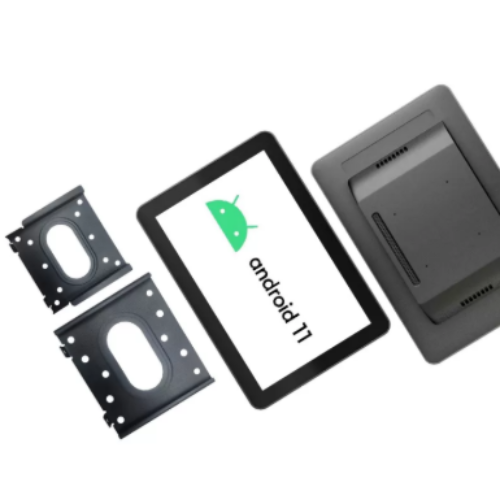
10.1 Inch Android 11 Industrial Panel PC – Asset Track Pro
Product successfully added to the Quote List
-

13.3 – Inch Waterproof Industrial Tablet with Anti – Glare Display – Asset Track Pro
Product successfully added to the Quote List
-

8 Inch Windows 10 Rugged Tablet with Barcode and NFC – Asset Track Pro
Product successfully added to the Quote List
-
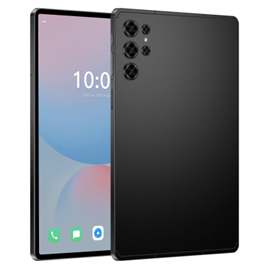
Advanced 10.1 in Android 15 Dual SIM 1 TB Tablet – Asset Track Pro
Product successfully added to the Quote List
-
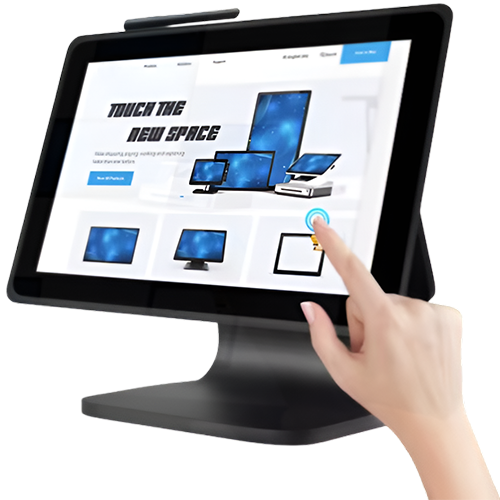
All in One Industrial Touch PC with Multitouch Display – Asset Track Pro
Product successfully added to the Quote List
-
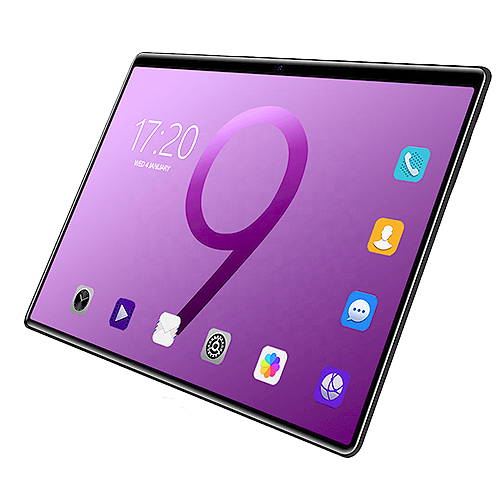
Android 12 14 Inch Business Tablet PC – Asset Track Pro
Product successfully added to the Quote List
-
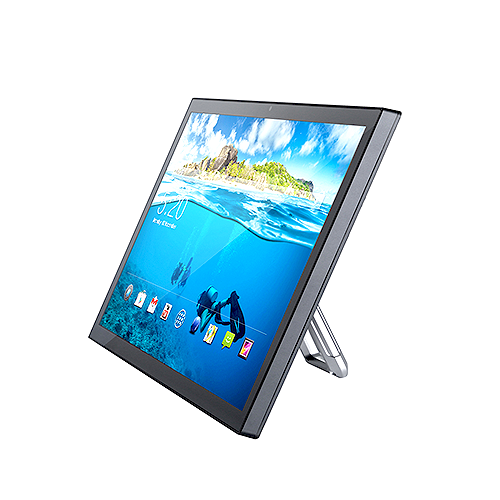
Android 13 Industrial Touch Tablet PC – Asset Track Pro
Product successfully added to the Quote List
-
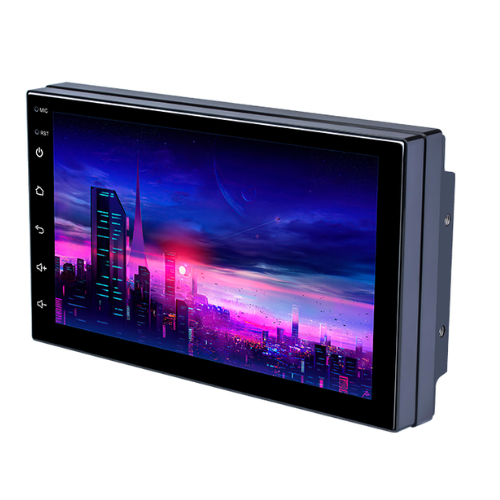
Android Car Tablet with WiFi, GPS, HD Display, Touchscreen – Asset Track Pro
Product successfully added to the Quote List
-
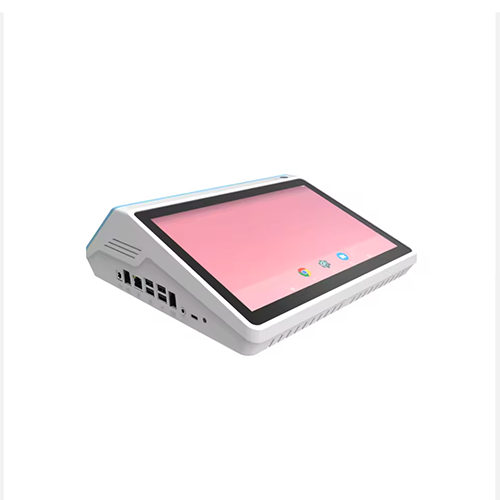
Android Touch POS Tablet for Restaurant Food Order Dual Screen with Cash Register Printer Scanner – Asset Track Pro
Product successfully added to the Quote List
-
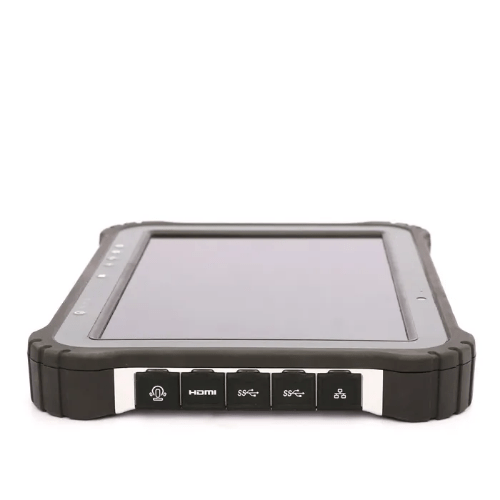
Asset Track Pro 10-Inch Industrial Tablet
Product successfully added to the Quote List
-
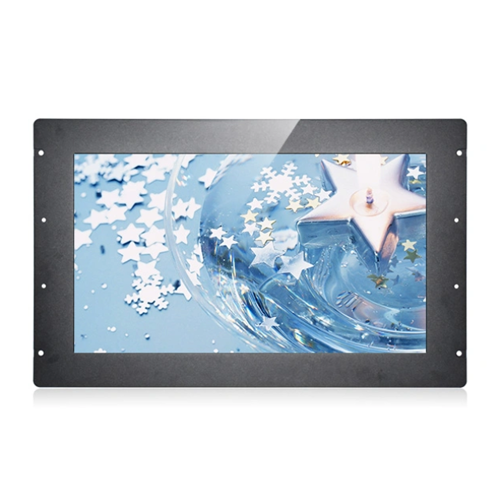
Asset Track Pro 21.5 Inch Wall Rack Mount Rugged IP65 Waterproof Tablet Computer Touch Screen Panel Industrial All in One PC
Product successfully added to the Quote List
-
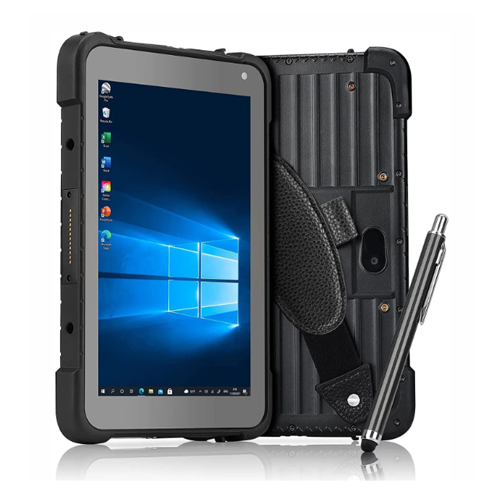
Asset Track Pro 8 Inch Windows10 Industrial PC Rugged Tablet IP67 Protection
Product successfully added to the Quote List
-
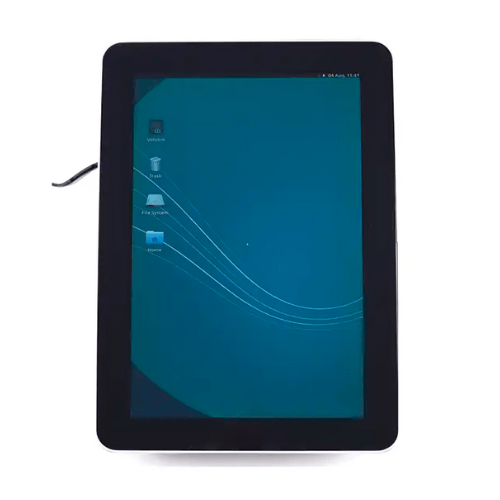
Asset Track Pro Android Industrial Panel Laptop
Product successfully added to the Quote List
-
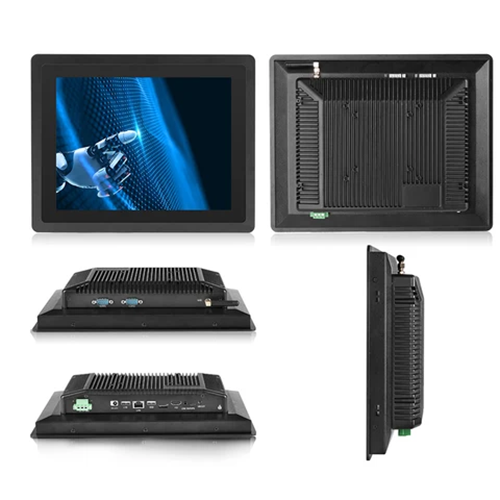
Asset Track Pro Android Industrial Tablets And PC’s
Product successfully added to the Quote List
-
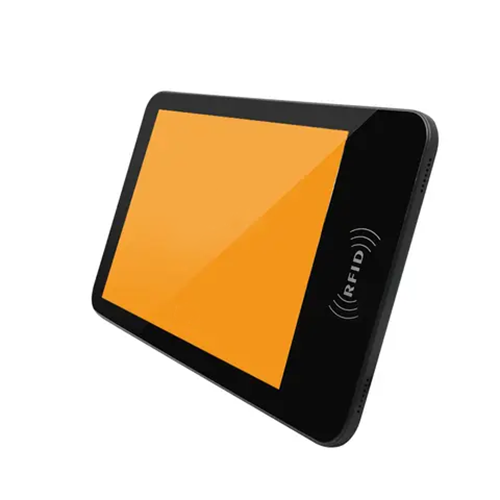
Asset Track Pro Android Rugged PC Tablet
Product successfully added to the Quote List
-
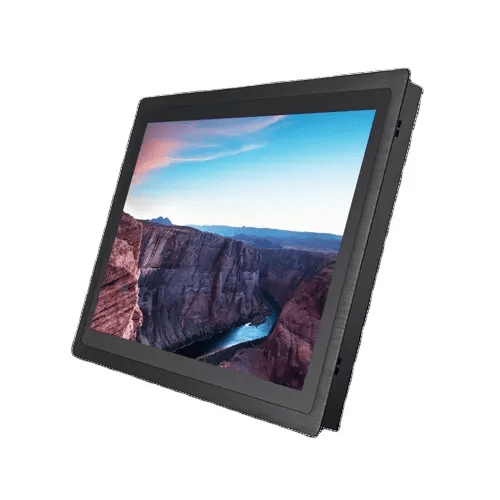
Asset Track Pro Anti-Interference Dual Core HD Flat Panel PC
Product successfully added to the Quote List