
RFID Readers, Tag, Accessories
Overview
Radio frequency identification systems enable automatic identification of equipment, tools, materials, and inventory using radio signals rather than manual scanning. RFID readers, RFID tags, and supporting accessories create a digital layer that links physical assets to enterprise systems, allowing organizations to monitor asset location, movement history, and utilization status in real time. Industrial environments such as manufacturing plants, logistics hubs, warehouses, and construction sites benefit from these radio-based identification systems because they reduce manual record keeping and improve operational awareness.
RFID readers capture signals from RFID tags attached to equipment, containers, pallets, or machinery. Supporting components such as antennas, mounting kits, and reader gateways extend coverage across facilities and integrate with enterprise management platforms. Properly designed deployments support high-volume item identification, automated checkin and check-out workflows, and asset traceability across operational zones. These capabilities help engineering and operations teams maintain visibility over equipment usage, reduce losses, and improve compliance documentation within industrial and commercial environments.
Radio Frequency Identification Components Used for Equipment Monitoring
RFID readers, RFID tags, and RFID accessories form an integrated radio-frequency identification infrastructure used for automated equipment monitoring, inventory identification, and facility resource management.
RFID Readers
RFID readers are radio communication devices that transmit interrogation signals and receive identification data from RFID tags. These readers operate across several frequency bands including low frequency (LF), high frequency (HF), and ultra-high frequency (UHF).
Industrial reader categories commonly include:
- Fixed RFID readers installed at dock doors, production lines, or storage zones to detect tagged assets automatically
- Handheld RFID readers used by field technicians or warehouse operators for mobile equipment scanning
- Embedded RFID readers integrated into industrial kiosks, smart cabinets, or automated tool cribs
- Network-connected RFID gateways that aggregate tag data for enterprise monitoring systems
Readers often include integrated antennas or support external antenna arrays to expand read zones within large industrial environments.
RFID Tags
RFID tags are small radio transponders attached to assets or containers. Each tag stores a unique identifier or encoded information which is transmitted when energized by a reader.
Common RFID tag designs include:
- Passive RFID tags powered by the reader’s radio signal
- Active RFID tags with onboard batteries enabling long-range transmission
- Semi-passive tags combining battery assistance with passive communication protocols
- Ruggedized industrial tags designed to withstand vibration, heat, and chemical exposure
Tags are available in adhesive labels, encapsulated housings, metal-mount designs, and embedded modules.
RFID Accessories
Supporting hardware components ensure reliable system performance and deployment flexibility. These accessories extend coverage and improve integration with industrial environments.
Typical RFID system accessories include:
- Directional or circular polarized antennas for zone coverage optimization
- Antenna multiplexers and signal cables for multi-antenna reader configurations
- Mounting brackets and protective enclosures for harsh industrial locations
- RFID printer encoders for tag programming and label generation
- Edge gateways and middleware integration modules for enterprise system connectivity
These components collectively enable automated equipment identification and operational monitoring across complex industrial facilities.
Advanced Data Capture for Equipment Identification and Monitoring
Asset Track Pro provides RFID readers, tags, and accessory solutions designed to support large-scale equipment monitoring across industrial and commercial facilities. Engineering teams can configure these systems to align with facility layout, operational workflows, and enterprise data requirements.
Operational capabilities commonly required by engineering teams include:
- Real-time identification of tagged equipment moving through production lines, warehouses, or maintenance zones
- Multi-tag reading capability supporting simultaneous detection of dozens or hundreds of tagged assets
- Configurable read ranges based on frequency band, antenna selection, and environmental conditions
- Edge processing features allowing readers to filter duplicate tag events before transmitting data to backend systems
- Support for EPCglobal and ISO RFID communication protocols used in industrial identification systems
- Integration with industrial Ethernet, Wi-Fi, or serial communication networks for connection to management platforms
RFID reader firmware typically supports filtering, tag buffering, and event triggering rules. These functions allow organizations to capture meaningful asset movement events rather than raw data streams.
Flexible Deployment Architectures for Industrial Facilities
Operational environments vary significantly across industries such as manufacturing, energy production, transportation logistics, and infrastructure construction. Asset Track Pro systems support flexible deployment models to accommodate these differences.
Deployment configurations may include:
- Dock door monitoring portals used to automatically register equipment entering or leaving storage areas
- Production line readers that track work-in-progress components moving through manufacturing stages
- Maintenance workshop readers used to record tool check-out and return activity
- Vehicle-mounted readers for mobile inventory monitoring in large yards or industrial campuses
- Smart cabinet readers controlling access to specialized tools and high-value components
Engineering teams often combine fixed and handheld readers to achieve both automated monitoring and manual verification capabilities.
Tag Selection Based on Asset Characteristics
Successful equipment monitoring depends on selecting appropriate RFID tag types for each asset category. Environmental conditions, asset materials, and operational distances influence tag performance.
Key configuration considerations include:
- Metal-mount RFID tags designed to operate reliably when attached to steel tools or machinery
- High-temperature tags suitable for manufacturing processes involving elevated heat exposure
Chemical-resistant encapsulated tags used in laboratories or industrial cleaning environments
Long-range active tags for large outdoor facilities such as equipment yards or ports
- Printable RFID labels used for inventory containers and packaging
Asset Track Pro engineering guidance assists organizations in matching tag designs to asset characteristics and operational environments.
Enterprise System Integration and Data Management
RFID infrastructure becomes significantly more valuable when integrated with enterprise software platforms.
RFID data streams can support:
- Asset management systems tracking equipment ownership and lifecycle status
- warehouse management systems managing inventory movement
- maintenance management platforms scheduling preventive service based on equipment usage
- security systems verifying authorized movement of controlled assets
- production monitoring platforms analyzing equipment utilization patterns
Organizations frequently integrate RFID readers with industrial middleware platforms or custom APIs to connect operational data with enterprise analytics tools.
Equipment Identification Across Industrial Operations
Radio-frequency identification technologies support automated equipment identification and monitoring across multiple industries where accurate asset visibility improves operational efficiency.
Applications include:
- Manufacturing facilities using RFID readers to monitor movement of production tools, fixtures, and components between workstations.
- Logistics distribution centers tracking pallets, containers, and material handling equipment moving through warehouse zones and shipping docks.
- Construction companies monitoring location and utilization of heavy equipment, generators, and specialized tools across project sites.
Oil and gas operators identifying drilling tools, inspection devices, and field equipment stored across remote operational locations.
Healthcare systems managing medical devices, surgical equipment kits, and mobile diagnostic machines within hospital departments.
- Aviation maintenance facilities documenting movement of aircraft components, calibration instruments, and certified tooling within maintenance hangars.
- Utility companies tracking transformers, meters, and repair equipment stored in regional depots and transported to field locations.
- Mining operations monitoring transport containers, safety equipment, and machinery components used across underground or open-pit sites.
- Port and terminal operators identifying cargo handling assets such as cranes, container spreaders, and maintenance tools across logistics yards.
- Laboratory and research facilities recording usage and movement of specialized instruments and sensitive testing equipment.
Operational environments differ significantly, so engineering teams often conduct site surveys to determine optimal reader placement, antenna orientation, and tag selection.
Industrial radio-frequency identification equipment deployed in North America must comply with multiple regulatory frameworks and certification programs.
Relevant standards and regulatory requirements include:
- FCC Part 15
- Industry Canada RSS-210
- ICES-003
- ISO 18000 series
- EPCglobal Gen2 (EPC Class 1 Gen2)
- ANSI C63.4
- UL Certification
- CSA Certification
- RoHS Compliance
- CE Marking for global interoperability
- WEEE Directive
Organizations deploying RFID infrastructure typically validate compliance requirements during system design and procurement processes.
Reliable Radio Identification for Complex Industrial Environments
Industrial environments introduce challenges such as metal interference, electromagnetic noise, and varying environmental conditions. Asset Track Pro designs RFID solutions with engineering considerations that support consistent identification performance.
Technical advantages include:
- High receiver sensitivity allowing reliable tag detection across large storage areas and production zones
- Multi-antenna configurations enabling precise read-zone control within operational facilities
- Industrial-grade housings designed to withstand vibration, dust, and temperature variations
- Firmware-level filtering capabilities that reduce redundant tag reads and improve data quality
- Support for large tag populations allowing simultaneous monitoring of hundreds of assets within active zones
Reader platforms often include configurable transmit power levels so system designers can adjust read coverage based on facility layout.
Scalability for Enterprise Asset Monitoring Programs
Many organizations begin RFID deployments with small pilot programs before expanding coverage across multiple facilities. System architecture must therefore support long-term scalability.
Asset Track Pro RFID infrastructure supports scalable deployments through:
- Modular reader architectures that support incremental expansion
- Network-based reader management platforms allowing centralized configuration
- Standard communication protocols simplifying integration with enterprise systems
- Flexible antenna deployments supporting both localized monitoring and large coverage areas
- Compatibility with both passive and active RFID tag technologies depending on operational needs
Scalable system design reduces the need for infrastructure replacement when organizations expand equipment monitoring programs.
Data Integrity and Operational Visibility
Reliable data capture is critical when organizations rely on RFID infrastructure for operational decision-making.
Engineering features supporting data integrity include:
- Tag event buffering to prevent data loss during network interruptions
- Timestamp synchronization for accurate movement history records
- Filtering rules that eliminate duplicate tag detections
- Edge computing capabilities reducing network traffic by processing tag events locally
- Secure communication protocols protecting operational data within enterprise networks
Accurate identification data helps operations teams maintain visibility over equipment usage, reduce misplaced assets, and support audit documentation.
Integration with Industrial Monitoring and Testing Ecosystems
Asset Track Pro solutions often operate alongside other industrial monitoring technologies such as sensors, measurement devices, and operational data platforms.
Integration capabilities include:
- Industrial protocol support including Ethernet/IP, Modbus, and TCP/IP communication
- API interfaces allowing custom integration with enterprise asset management software
- Compatibility with data analytics platforms used for operational reporting
- Edge gateway support enabling aggregation of multiple reader data streams
- Support for cloud-connected asset monitoring architectures when organizations require remote visibility
Engineering teams frequently combine RFID infrastructure with location analytics software to generate equipment movement insights across operational facilities.
Organizations evaluating radio-frequency identification solutions often require engineering consultation to determine optimal reader placement, tag selection, and system architecture. Asset Track Pro has established itself as a trusted leader in delivering advanced solutions for monitoring physical resources across industrial and commercial environments. A growing B2B presence across North America reflects consistent investment in technology development, strict quality assurance practices, and responsive technical support.
Engineering teams, procurement specialists, and system integrators frequently engage with us during early design phases to ensure RFID infrastructure aligns with operational requirements, regulatory compliance expectations, and long-term scalability goals. Product specialists can assist with deployment planning, hardware selection, and enterprise integration strategies.
Teams interested in learning more about RFID readers, tags, and accessories for equipment identification can reach out through the Asset Track Pro contact page to request technical information, discuss deployment scenarios, or obtain assistance with product selection and system configuration.
Showing 1–16 of 2039 results
-
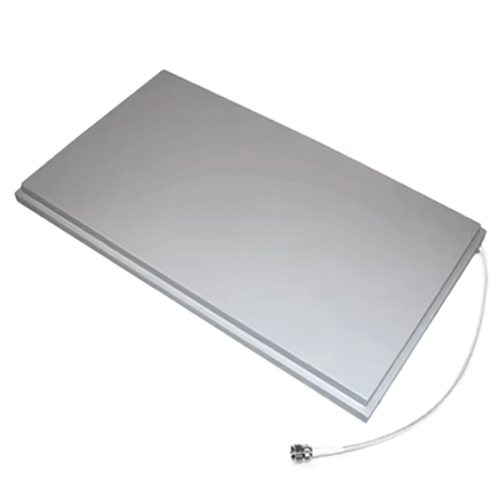
10DBi Circular Rfid Uhf Directional Antenna Rfid Outdoor Antenna For Access Control Reader
Product successfully added to the Quote List
-
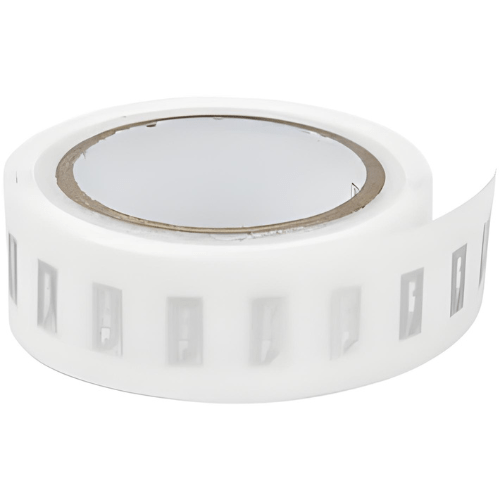
10mm Mini Rewritable RFID NFC Sticker Roll, 215/213 Chips – Asset Track Pro
Product successfully added to the Quote List
-
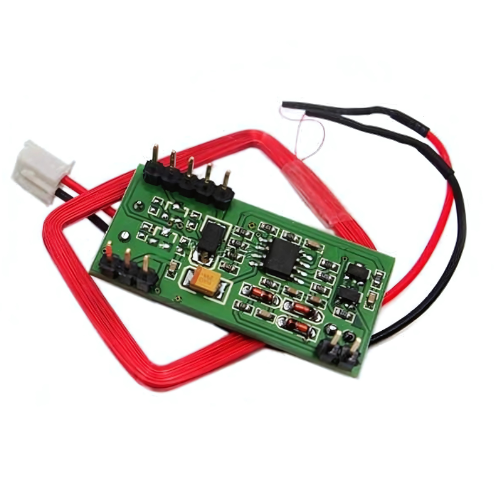
125 KHz LF Long Range RFID Reader with Antenna – Asset Track Pro
Product successfully added to the Quote List
-
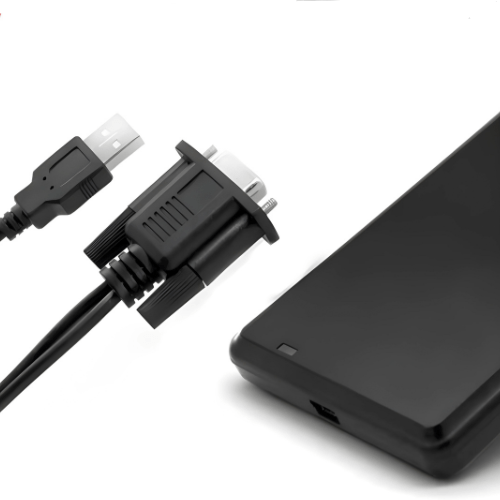
125 kHz LF RFID Smart Card USB Reader & Writer – Asset Track Pro
Product successfully added to the Quote List
-
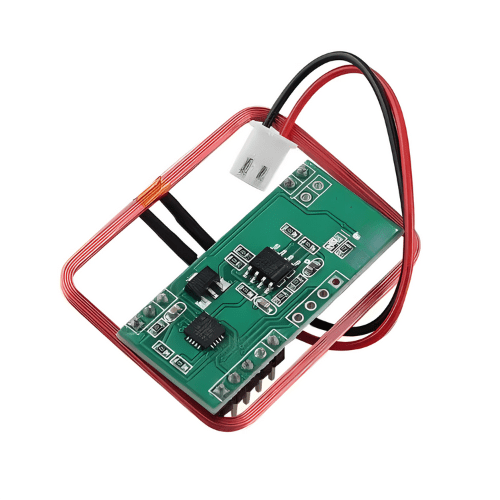
125 kHz RFID Access Control Module with CSN Reader & Multiple Outputs – Asset Track Pro
Product successfully added to the Quote List
-
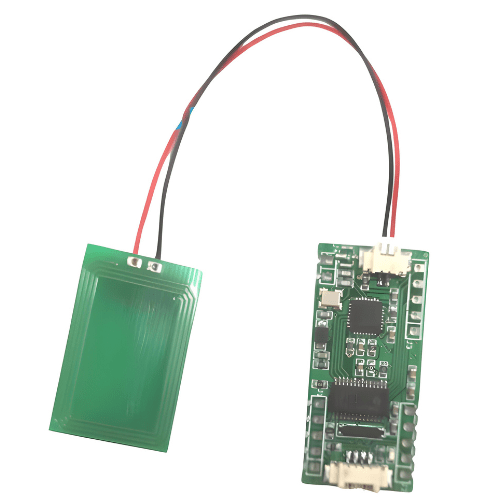
125 KHz RFID Module with USB/Serial Interface, IP65 & 8 cm Range – Asset Track Pro
Product successfully added to the Quote List
-
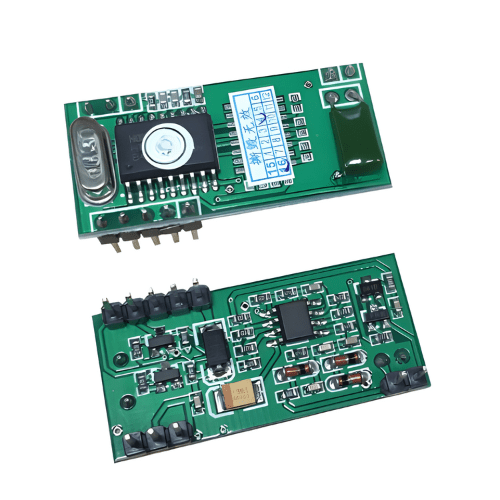
125 KHz RFID Module with USB/Serial Interface, IP65 & Read-Only Function – Asset Track Pro
Product successfully added to the Quote List
-
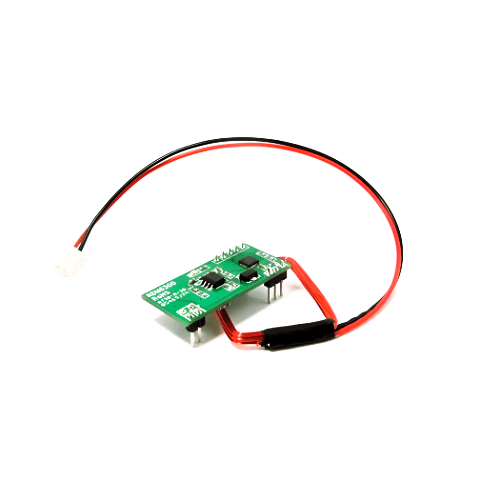
125 KHz RFID Reader Module for Read/Write Tags with UART Interface – Asset Track Pro
Product successfully added to the Quote List
-
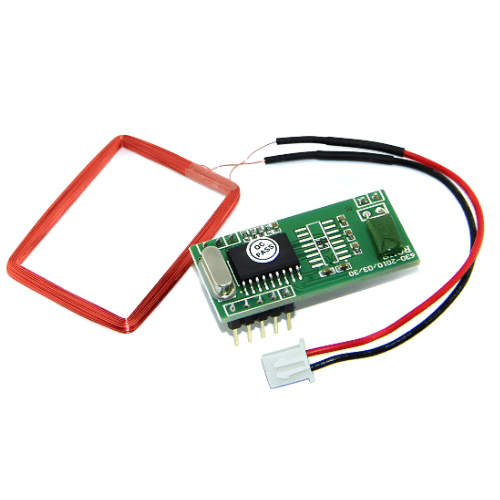
125 KHz RFID Reader Module with Wiegand 26, RS232 & TTL Outputs – Asset Track Pro
Product successfully added to the Quote List
-
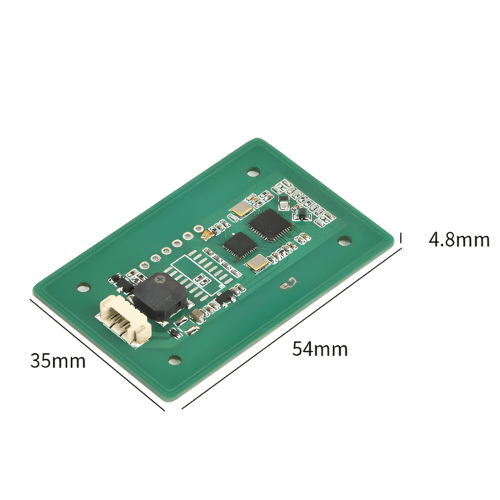
125 KHz RFID Reader with Wiegand Output & 100mm Range, LED Indicator – Asset Track Pro
Product successfully added to the Quote List
-
125 KHz/13.56 MHz RFID Contactless Printable PVC Card – Asset Track Pro
Product successfully added to the Quote List
-

125KHz & 13.56MHz RFID Reader with ISO 14443-A Protocol – Asset Track Pro
Product successfully added to the Quote List
-

125kHz & 13.56MHz USB RFID Reader with Buzzer – Asset Track Pro
Product successfully added to the Quote List
-

125kHz Embeddable RFID Ear Tag with Long-Range Antenna – Asset Track Pro
Product successfully added to the Quote List
-

125kHz RFID Door Access Control Reader with 10,000 Blacklist Capacity – Asset Track Pro
Product successfully added to the Quote List
-

125kHz RFID LF Reader Module with Antenna for EM Cards, Wiegand/ASCII – Asset Track Pro
Product successfully added to the Quote List