
Wide-Area Networks
Wide-area communication networks enable monitoring devices and sensors to maintain reliable connectivity across large operational environments where local wireless coverage is limited.
Key operational functions include:
- Long-distance wireless communication between monitoring devices and network gateways deployed across industrial facilities
- Transmission of equipment activity data from remote monitoring devices to centralized operational platforms
- Connectivity for low-power monitoring sensors installed on tools, containers, and equipment across large environments
- Continuous reporting of equipment movement and operational activity across warehouses and industrial campuses
- Support for monitoring infrastructure deployed across outdoor environments such as logistics yards and equipment staging areas
- Communication with distributed monitoring devices operating across multiple buildings within industrial complexes
- Support for thousands of connected monitoring devices communicating within a single network architecture
- Integration with enterprise monitoring platforms that analyze operational data transmitted from remote monitoring nodes
- Secure communication between monitoring hardware and centralized infrastructure through encrypted network protocols
- Connectivity for environmental monitoring sensors deployed across industrial environments
Asset Track Pro monitoring solutions are designed to operate reliably within these long-range wireless infrastructures. Through continuous research and engineering development, we deliver hardware technologies that help organizations maintain reliable equipment monitoring capabilities across large operational environments.
Selecting long-range wireless infrastructure for equipment monitoring requires careful evaluation of several technical parameters.
Important specifications include:
- Communication range supported by the network architecture
- Maximum number of monitoring devices supported within the network
- Power consumption characteristics of monitoring devices and communication modules
- Supported wireless frequency bands and regulatory compliance requirements
- Data transmission capacity for monitoring messages
- Latency characteristics for real-time monitoring applications
- Security protocols used for device authentication and encrypted communication
- Network gateway capacity for receiving signals from distributed monitoring devices
- Scalability of network infrastructure as monitoring deployments expand
- Compatibility with industrial monitoring hardware and sensor devices
Asset Track Pro engineers assist organizations in evaluating these technical considerations to design monitoring architectures that maintain reliable communication across industrial environments.
LoRaWAN Communication Infrastructure
LoRaWAN technology is a low power wide area communication protocol designed for connecting monitoring devices across large operational environments. Devices equipped with LoRa radio transmitters send small packets of operational information to gateways positioned across industrial facilities or outdoor operational zones.
These gateways forward received messages to network servers that route monitoring data to operational monitoring platforms. LoRaWAN networks are designed to support long communication ranges and low power consumption, making them suitable for monitoring devices deployed across warehouses, industrial campuses, and logistics environments.
Asset Track Pro integrates LoRaWAN-compatible hardware within monitoring systems that enable equipment activity monitoring across large facilities where devices must operate for extended periods using battery power.
NB-IoT Connectivity for Industrial Monitoring Systems
Narrowband Internet of Things technology provides wide-area wireless connectivity using cellular network infrastructure. NB-IoT is optimized for low bandwidth communication where monitoring devices periodically transmit operational data.
Monitoring hardware equipped with NB-IoT modules communicates directly with cellular network towers. This approach allows monitoring systems to operate across large geographic regions without requiring local gateway infrastructure.
NB-IoT connectivity is frequently used when monitoring devices must operate across distributed operational environments such as logistics routes, outdoor infrastructure installations, and large industrial facilities.
Asset Track Pro supports monitoring technologies that utilize NB-IoT connectivity to maintain communication between distributed monitoring devices and enterprise monitoring platforms.
Wide-area communication technologies support many monitoring scenarios where equipment operates across large facilities or geographically distributed environments.
Typical industrial applications include:
- Monitoring tools and equipment distributed across large warehouse environments where devices must communicate across several buildings
- Tracking containers and pallets moving across logistics yards and distribution centers covering large operational areas
- Monitoring environmental sensors deployed across industrial campuses to observe operational conditions affecting equipment
- Supervising movement of maintenance equipment across multiple operational zones within manufacturing facilities
- Tracking mobile inspection devices used by technicians operating across distributed industrial environments
- Monitoring equipment stored in outdoor staging areas where traditional wireless networks are unavailable
- Supporting regulatory monitoring systems tracking movement of controlled equipment across secured facilities
- Monitoring tools and containers across large port facilities and logistics infrastructure installations
- Supervising environmental conditions across industrial yards and storage areas containing equipment and materials
- Monitoring operational infrastructure deployed across large manufacturing plants and industrial campuses
- FCC Part 15
- FCC Equipment Authorization
- Innovation, Science and Economic Development Canada (ISED) Certification
- ICES-003
- UL Certification
- CSA Certification
- LoRa Alliance Certification Program
- 3GPP NB-IoT Standards
| Technology Type | Communication Range | Power Consumption | Infrastructure Requirement | Typical Use Case |
| LoRaWAN | Several kilometers depending on environment | Very low | Gateway and network server infrastructure | Monitoring devices deployed across large facilities |
| NB-IoT | Regional cellular network coverage | Low | Cellular network infrastructure | Monitoring devices operating across geographically distributed environments |
Industrial deployment of wide-area wireless monitoring systems requires planning related to environmental conditions, infrastructure design, and device power management.
Communication coverage must be evaluated to ensure monitoring devices can reliably transmit data to gateways or cellular towers. Large warehouses, outdoor yards, and industrial campuses may require multiple gateway installations to maintain consistent communication coverage.
Device mobility should also be considered. Monitoring hardware attached to equipment that moves across facilities may require communication technologies capable of maintaining connectivity across different network zones.
Power requirements are another important factor. Many monitoring devices operating within wide-area networks rely on battery power. Transmission frequency, message size, and communication protocols must be optimized to extend device operating life.
Data handling strategies typically involve transmitting monitoring data to centralized monitoring platforms where operations teams analyze equipment movement and operational conditions.
Asset Track Pro engineers work closely with organizations to design monitoring infrastructures that maintain reliable communication performance across distributed industrial environments.
Wide-area wireless communication technologies offer several advantages when deployed within monitoring infrastructures responsible for observing equipment movement and operational activity.
Key technical advantages include:
- Long range wireless connectivity enabling monitoring devices to operate across large facilities and outdoor operational environments
- Low power communication protocols allowing monitoring hardware to operate for extended periods using battery power
- Support for high device density allowing thousands of monitoring devices to operate within a single network architecture
- Scalable network infrastructures that expand as monitoring deployments grow
- Reliable communication for monitoring devices operating across multiple buildings or outdoor operational zones
- Integration with enterprise monitoring platforms that analyze operational data from distributed monitoring devices
Asset Track Pro continues to expand its monitoring technologies to support organizations implementing advanced equipment monitoring systems across industrial environments.
What are wide-area networks used for in equipment monitoring systems?
Wide-area networks allow monitoring devices to transmit operational data across large facilities or distributed operational environments.
How does LoRaWAN differ from traditional wireless technologies?
LoRaWAN focuses on long communication range and low power consumption rather than high data throughput.
When is NB-IoT connectivity used in monitoring systems?
NB-IoT is typically used when monitoring devices must communicate across large geographic regions using cellular network infrastructure.
How many monitoring devices can operate within a wide-area network?
Network capacity depends on infrastructure design, but many systems support thousands of connected monitoring devices.
Do wide-area networks require local gateway infrastructure?
LoRaWAN networks require gateways, while NB-IoT devices communicate directly with cellular network infrastructure.
Are wide-area networks secure for industrial monitoring applications?
Most modern wide-area communication protocols use encryption and device authentication mechanisms to protect transmitted data.
How long can monitoring devices operate on battery power?
Device operating life depends on communication frequency and power consumption. Many low power devices operate for several years.
Organizations deploying monitoring infrastructure across large industrial environments often require long-range wireless connectivity capable of supporting distributed monitoring devices. Asset Track Pro provides technical consultation, hardware selection guidance, and deployment planning support for enterprises implementing wide-area monitoring systems.
Engineering teams, system integrators, and procurement specialists seeking reliable monitoring infrastructure can contact Asset Track Pro to discuss wide-area network technologies, deployment strategies, and system integration requirements with our technical specialists. Our team supports organizations across the United States, Canada, and international markets implementing advanced equipment monitoring environments.
Showing 1153–1168 of 1193 results
-

Wireless Detector with IP68 Water and Dust Proof Protection – Asset Track Pro
Product successfully added to the Quote List
-

Wireless Digital Pressure Gauge with LED Display – Asset Track Pro
Product successfully added to the Quote List
-

Wireless Digital Pressure Sensor with SS304 Stainless Steel – Asset Track Pro
Product successfully added to the Quote List
-
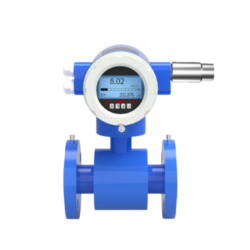
Wireless Electromagnetic Flow Meter with IP68 and 4-20mA Output – Asset Track Pro
Product successfully added to the Quote List
-

Wireless Fuel Level Sensor with LCD Display – Asset Track Pro
Product successfully added to the Quote List
-

Wireless Global Frequency LTE & LoRaWAN Communication Module with Antenna – Asset Track Pro
Product successfully added to the Quote List
-
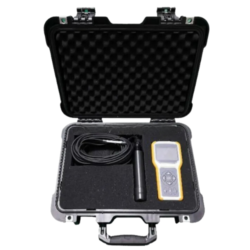
Wireless IoT Water Quality Monitoring System – Asset Track Pro
Product successfully added to the Quote List
-
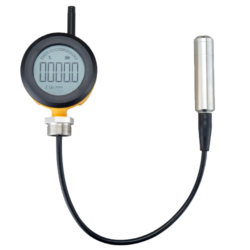
Wireless Level Sensor for Water Monitoring – Asset Track Pro
Product successfully added to the Quote List
-
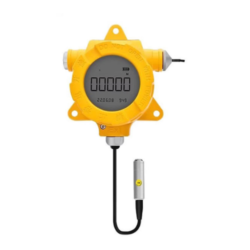
Wireless Level Sensor with LoRa 4G and High Accuracy – Asset Track Pro
Product successfully added to the Quote List
-
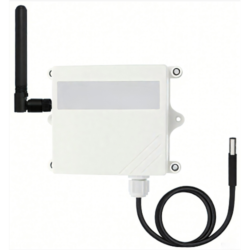
Wireless LoRa Temperature Sensor with Long Range Communication – Asset Track Pro
Product successfully added to the Quote List
-
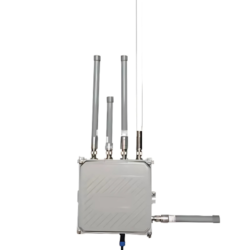
Wireless LoRaWAN Gateway for IoT Systems with AC Power Supply – Asset Track Pro
Product successfully added to the Quote List
-
Wireless LoRaWAN Gateway with GPS Module for Tracking – Asset Track Pro
Product successfully added to the Quote List
-
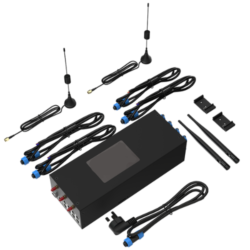
Wireless LoRaWAN IoT Gateway for Outdoor Lighting – Asset Track Pro
Product successfully added to the Quote List
-
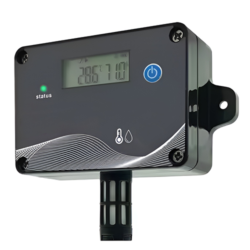
Wireless LoRaWAN Temperature and Humidity Sensor for Remote Monitoring – Asset Track Pro
Product successfully added to the Quote List
-
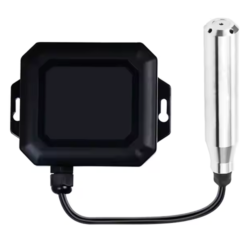
Wireless LoRaWAN Water Level Sensor with IP68 Waterproof – Asset Track Pro
Product successfully added to the Quote List
-
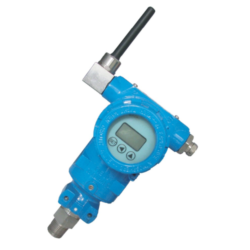
Wireless LoRaWAN Zigbee Water Pressure Transmitter Sensor – Asset Track Pro
Product successfully added to the Quote List