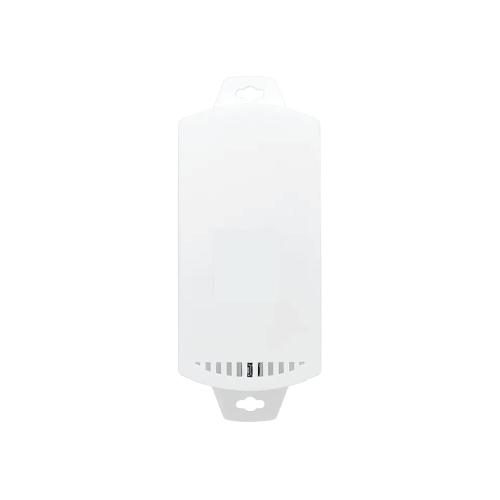
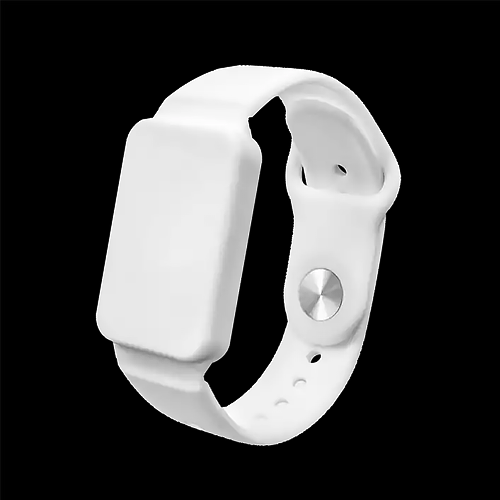
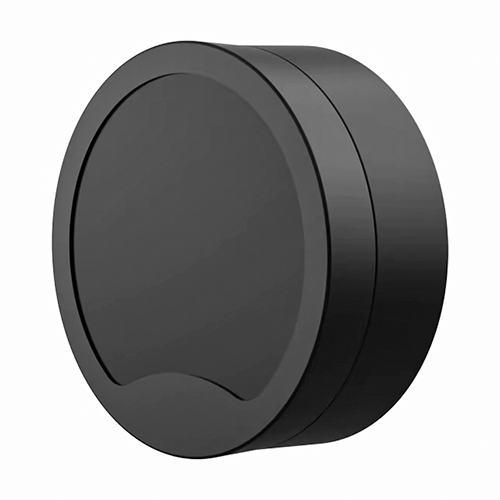
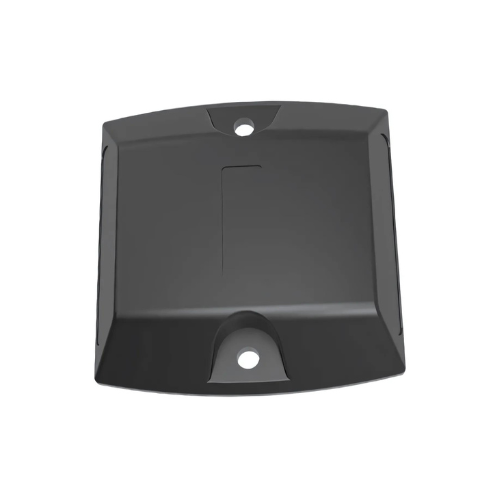
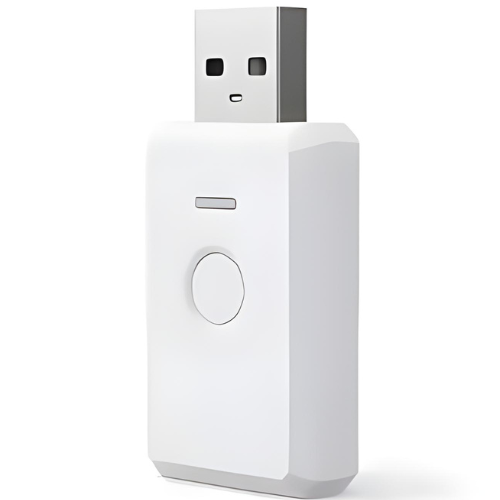
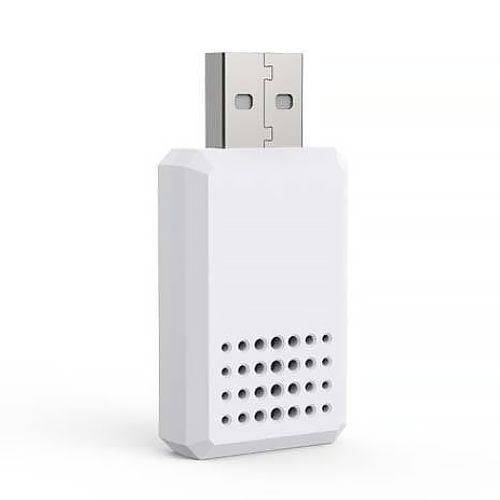
Bluetooth Low Energy technology provides a wireless communication framework designed for low-power devices that transmit identification and status information across short distances. BLE beacons, tags, and receivers allow organizations to identify, locate, and monitor equipment, tools, and inventory throughout operational facilities without relying on high-power wireless infrastructure. This low-energy radio protocol operates in the 2.4 GHz ISM band and supports periodic broadcast signals that can be detected by gateways, smartphones, or dedicated receivers.
Industrial environments such as manufacturing plants, hospitals, warehouses, and logistics yards often deploy BLE transmitters attached to equipment or containers. These batterypowered transmitters broadcast unique identifiers that enable facility management platforms to determine equipment presence, movement, and utilization patterns. Gateway devices collect these signals and forward data to enterprise systems for operational analysis. Such wireless proximity monitoring supports efficient equipment management, reduces misplaced assets, and improves operational accountability across distributed industrial operations.
Asset Track Pro Bluetooth Low Energy Systems for Equipment Monitoring +
Technical Definition of Bluetooth Low Energy Devices Used for Industrial Resource Identification
Bluetooth Low Energy represents a wireless communication standard optimized for energyefficient data broadcasting and short-range connectivity. Industrial implementations typically involve BLE transmitters, receivers, and infrastructure components that collectively enable automated identification and monitoring of physical resources.
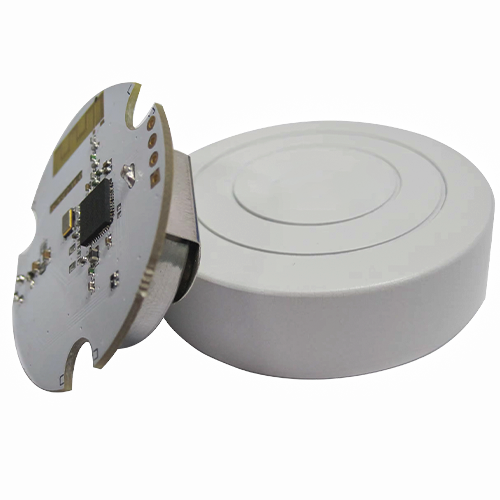
BLE Tags and Beacons
BLE tags, also known as Bluetooth beacons, are small battery-powered transmitters attached to equipment, tools, or containers. These devices periodically broadcast identification packets using standardized BLE advertisement protocols.
Common BLE tag characteristics include:
Unique device identifiers used for equipment recognition
Configurable transmission intervals to balance battery life and location accuracy
Adjustable signal strength levels enabling distance estimation through received signal strength indicator (RSSI) measurements
Compact form factors suitable for mounting on handheld tools, pallets, or medical devices
Long battery life, often ranging from one to five years depending on transmission configuration
BLE beacons typically broadcast packets using standardized formats such as iBeacon or Eddystone, allowing compatibility with a wide range of receiving devices.
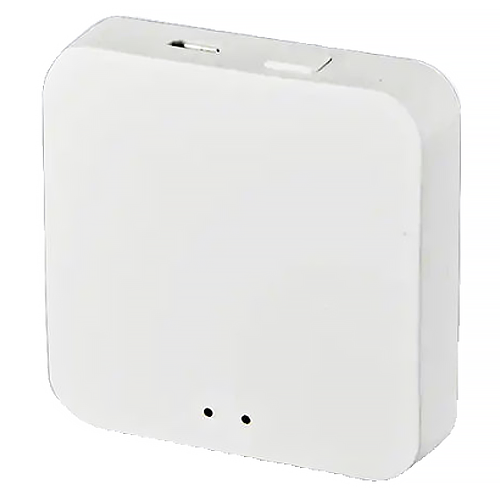
BLE Gateways and Receivers
BLE gateways collect wireless broadcast signals transmitted by BLE tags and forward the data to enterprise platforms through wired or wireless networks.
Gateway deployment models include:
Fixed receivers installed throughout facilities to monitor equipment presence within defined zones
Wi-Fi or Ethernet connected gateways aggregating tag data across operational areas
Edge computing devices capable of filtering tag signals and transmitting relevant events to backend systems
Mobile receivers integrated into handheld scanners, tablets, or industrial smartphones used by field technicians
Receivers interpret BLE broadcast packets and convert them into actionable data used for equipment monitoring and operational visibility.
BLE Infrastructure Components
Supporting infrastructure components expand the reliability and scalability of BLE-based monitoring systems.
Typical infrastructure components include:
BLE antenna modules used to improve reception coverage in complex indoor environments
Mounting hardware for installing receivers in production lines, storage areas, and facility corridors
Firmware management tools for configuring beacon transmission intervals and power levels
Network gateways that integrate BLE signal data with enterprise asset management systems
Together, these components enable automated identification and monitoring of equipment movement and presence across operational facilities.
Functional Capabilities of Asset Track Pro Bluetooth Low Energy Solutions+
Wireless Identification and Location Awareness for Industrial Operations
Bluetooth Low Energy deployments enable organizations to establish wireless visibility into equipment movement and availability without requiring power-intensive communication technologies. Asset Track Pro provides BLE-based identification systems designed for industrial environments where energy efficiency, reliability, and deployment flexibility are essential.
Key functional capabilities include:
Continuous broadcast identification allowing receivers to detect tagged equipment without manual scanning
Proximity detection based on signal strength measurements for zone-level equipment monitoring
Configurable beacon transmission intervals to balance detection frequency with battery longevity
Simultaneous detection of multiple BLE tags within shared operational spaces
Compatibility with standard Bluetooth communication frameworks used by mobile devices and gateways
Encrypted broadcast payloads that protect identification data within operational networks
Engineering teams can configure beacon transmission parameters to match operational requirements such as frequent equipment movement or static storage monitoring.
Zone-Based Equipment Monitoring
BLE receivers installed across operational facilities enable organizations to monitor the presence of tagged equipment within defined zones.
Common monitoring configurations include:
Storage area monitoring to determine which equipment is available within tool rooms or maintenance workshops
Production floor monitoring to identify tools and components used at specific workstations
Corridor and doorway monitoring to detect equipment movement between operational departments
Warehouse aisle monitoring for identification of pallets and containers stored in specific racks
Zone-based monitoring allows operations teams to determine where equipment is located without requiring high-precision positioning systems.
Mobile Device Integration
Bluetooth Low Energy communication protocols support connectivity with smartphones and industrial mobile computers. This capability enables technicians and field operators to interact with tagged equipment using handheld devices.
Mobile device integration supports:
Equipment identification using handheld BLE scanners
Field service verification confirming correct tools or components before maintenance procedures
Mobile asset inventory checks performed by warehouse or maintenance personnel Diagnostic configuration of beacon parameters using authorized mobile applications
Industrial organizations frequently leverage existing mobile devices as supplemental receivers within BLE deployments.
Energy-Efficient Wireless Monitoring
Energy efficiency represents a defining feature of BLE communication technology. BLE beacons transmit small data packets using minimal power consumption, enabling long-term operation without frequent battery replacement.
Operational benefits include:
Reduced maintenance requirements due to extended beacon battery life
Wireless deployment flexibility without reliance on wired power infrastructure
Ability to deploy hundreds or thousands of transmitters within a facility
Lower total infrastructure energy consumption compared with traditional radio communication systems
These characteristics support large-scale equipment monitoring initiatives across industrial facilities.
Industrial Applications of Bluetooth Low Energy Monitoring Systems+
Operational Use Cases for Wireless Equipment Visibility
Bluetooth Low Energy identification technology supports multiple industrial applications where monitoring equipment location and availability improves operational efficiency.
Applications include:
Manufacturing plants monitoring specialized tools and production fixtures to ensure correct equipment availability at designated workstations.
Warehouses tracking movement of forklifts, pallets, and mobile carts between storage aisles, loading docks, and staging zones.
Hospitals identifying mobile medical equipment such as infusion pumps, wheelchairs, and portable imaging devices across departments.
Construction firms monitoring location and utilization of power tools and diagnostic instruments across active project sites.
Airports tracking maintenance equipment and inspection tools used by ground crews within aircraft service zones.
Logistics companies monitoring reusable containers and shipping equipment circulating across distribution centers and transportation hubs.
Utility maintenance teams identifying diagnostic devices and field instruments deployed across electrical or water service operations.
Oil and gas facilities monitoring portable inspection tools and safety equipment used during field maintenance operations.
Research laboratories identifying specialized instruments and calibration tools used within controlled testing environments.
University campuses monitoring shared equipment used across engineering laboratories and technical training workshops.
Operational deployments vary based on facility layout, building materials, and equipment density. Engineering teams frequently perform radio surveys to determine receiver placement and beacon configuration.
USA and Canada Standards and Certifications Applicable to Bluetooth Low Energy Systems +
Wireless communication equipment used in industrial facilities must comply with regulatory standards governing radio frequency emissions and electronic safety.
Applicable standards and certifications include:
FCC Part 15
Industry Canada RSS-247
ICES-003
Bluetooth SIG Qualification Program
ISO 27001
UL Certification
CSA Certification
RoHS Compliance
CE Marking
WEEE Directive
Compliance validation often occurs during product design and procurement to ensure regulatory approval for deployment within North American markets.
Engineering Advantages of Asset Track Pro Bluetooth Low Energy Infrastructure +
Reliable Short-Range Wireless Monitoring for Operational Equipment
Bluetooth Low Energy technology offers several technical advantages when deployed for wireless equipment monitoring in industrial and commercial environments. Asset Track Pro designs BLE solutions that address the operational realities of factories, warehouses, hospitals, and logistics facilities.
Engineering advantages include:
Low power consumption enabling beacon devices to operate for multiple years without battery replacement
Broad compatibility with smartphones, industrial tablets, and embedded receivers supporting flexible deployment models
Efficient radio communication using small broadcast packets that minimize network congestion
Signal strength based distance estimation allowing zone-level location awareness without complex positioning infrastructure
Compact transmitter form factors that support installation on small tools and portable equipment
These characteristics allow organizations to deploy wireless identification systems with minimal disruption to existing infrastructure.
Scalable Wireless Infrastructure
Large organizations often require monitoring solutions capable of scaling across multiple buildings or operational campuses.
Scalability features include:
Flexible receiver deployment using Ethernet, Wi-Fi, or cellular gateways
Beacon configuration tools allowing remote adjustment of transmission intervals and signal strength
Centralized management platforms aggregating BLE signal data across multiple facilities
Compatibility with enterprise databases and analytics systems for operational reporting
Scalable infrastructure supports gradual expansion from pilot deployments to full facility coverage.
Reliable Operation in Industrial Environments
Industrial environments frequently include metal surfaces, machinery vibration, and electromagnetic interference. BLE systems must be designed with these factors in mind.
Asset Track Pro addresses these challenges through:
Receiver sensitivity optimization to detect low-power beacon transmissions in complex environments
Adjustable transmit power levels supporting coverage tuning across operational areas
Ruggedized beacon housings designed to withstand dust, moisture, and vibration
Firmware update mechanisms enabling security and performance improvements over time
Engineering teams typically conduct signal propagation testing to determine optimal receiver placement within facilities.
Data Integration with Operational Systems
Wireless identification data becomes significantly more valuable when integrated with enterprise management platforms.
BLE infrastructure supports integration with:
Equipment lifecycle management systems
Maintenance scheduling platforms
warehouse management software
security monitoring platforms
operational analytics dashboards
Integration enables organizations to convert wireless signal data into actionable insights regarding equipment usage, availability, and operational efficiency.
Work with Asset Track Pro for Bluetooth Low Energy Deployment+
Asset Track Pro has rapidly built a reputation as a trusted provider of advanced solutions for monitoring physical resources across industrial and commercial environments. A strong B2B presence throughout North America reflects continued investment in research, product development, and strict quality assurance practices that support reliable wireless identification infrastructure.
Engineering teams, IT architects, and procurement specialists often require guidance when selecting Bluetooth Low Energy hardware, configuring beacon transmission parameters, and designing receiver coverage across operational facilities. Our specialists work closely with organizations to evaluate deployment requirements and recommend appropriate beacon devices, gateways, and infrastructure components.
Professionals exploring wireless equipment visibility systems can connect with our technical team through the Asset Track Pro contact pageto request product specifications, discuss deployment scenarios, or obtain assistance with BLE infrastructure planning and system integration.