
Short-Range Wireless
Short-range wireless infrastructure acts as the sensing layer for monitoring physical equipment across facilities. These technologies support automated identification, proximity detection, and equipment presence verification.
Primary operational functions include:
- Wireless identification of tagged equipment, tools, and containers using radio frequency readers or sensors
- Continuous monitoring of equipment presence across facility zones such as storage areas, production floors, and distribution docks
- Rapid inventory verification across shelves, racks, and storage areas without requiring line-of-sight scanning
- Wireless communication between tags, readers, and gateways for transmitting asset information to monitoring platforms
- Automated alerts when equipment leaves designated operational zones or enters restricted areas
- Mobile equipment verification using handheld readers or mobile scanning devices
- Real-time equipment location awareness within defined indoor environments
- Integration with maintenance management platforms to support lifecycle monitoring of tools and machinery
- Wireless synchronization of asset data with enterprise systems for reporting and analytics
- Automated tracking of equipment movement between operational departments or work areas
Selecting localized wireless communication hardware requires careful evaluation of several engineering parameters. Performance can vary depending on environment, facility layout, and equipment density.
Important technical specifications include:
- Communication frequency bands used by wireless devices
- Effective communication range between tags, readers, and access points
- Supported wireless protocols such as RFID, BLE, or Wi-Fi
- Read accuracy within dense industrial environments containing metal surfaces and electrical noise
- Tag compatibility with different materials including metal, plastic, and liquid containers
- Battery performance for active wireless tags or beacons
- Reader processing capacity and simultaneous device communication capability
- Environmental protection ratings such as IP ratings for dust and moisture resistance
- Network connectivity options including Ethernet, Wi-Fi, or industrial fieldbus interfaces
- Integration compatibility with enterprise software systems and asset monitoring platforms
Asset Track Pro hardware solutions are developed through rigorous research and quality validation processes. Continuous engineering refinement ensures consistent performance in demanding industrial environments where wireless communication reliability directly affects operational visibility.
RFID Readers, Tags, and Accessories for Asset Identification
Radio Frequency Identification technology enables automated identification of equipment through wireless communication between RFID tags and reader devices. RFID tags attached to equipment or containers transmit unique identification data when energized by reader signals. Readers capture these signals and forward the information to monitoring platforms for equipment tracking and inventory verification.
RFID technology supports both passive and active tag configurations. Passive tags draw energy from reader signals while active tags contain batteries for extended range communication. Accessories such as antennas, handheld readers, and mounting hardware support deployment across warehouse aisles, production lines, and storage facilities.
Asset Track Pro provides RFID hardware designed for reliable performance in industrial environments where metal infrastructure, machinery, and dense storage layouts may affect signal propagation.
Click here for RFID Readers, Tag, Accessories
Bluetooth Low Energy Communication for Proximity Monitoring
Bluetooth Low Energy technology provides low power wireless communication for proximity detection and equipment presence monitoring. BLE beacons or tags transmit periodic signals that can be detected by receivers, mobile devices, or gateway infrastructure within a defined range.
This technology is particularly suitable for monitoring mobile assets such as tools, medical equipment, inspection devices, and containers moving through operational facilities. BLE communication requires minimal energy consumption, enabling long battery life for wireless beacons deployed across large facilities.
Asset Track Pro BLE-enabled hardware supports flexible deployment models including mobile device detection, gateway-based monitoring networks, and hybrid systems integrated with enterprise asset management software platforms.
Click here for Bluetooth Low Energy
Wi-Fi Connectivity for Enterprise Infrastructure Integration
Wi-Fi communication enables wireless equipment monitoring devices to connect directly to enterprise network infrastructure. Tags, readers, or gateways equipped with Wi-Fi modules can transmit equipment identification and status data to centralized monitoring platforms through standard wireless networks.
Wi-Fi enabled hardware simplifies integration with existing IT infrastructure in offices, laboratories, manufacturing plants, and logistics facilities. Communication ranges depend on network coverage and access point density.
Asset Track Pro develops wireless hardware designed to operate reliably within corporate wireless networks while maintaining stable communication performance even in high device density environments typical of industrial facilities.
Industrial organizations deploy localized wireless monitoring systems to improve operational awareness, inventory visibility, and equipment management.
Common application scenarios include:
- Monitoring movement of manufacturing tools between production lines, maintenance workshops, and storage areas within large factory facilities
- Tracking laboratory instruments and test devices across research facilities to ensure equipment availability for engineering teams
- Monitoring reusable transport containers moving between warehouse staging areas and loading docks during logistics operations
- Managing IT hardware inventory inside data centers to support equipment lifecycle management and infrastructure auditing
- Tracking hospital equipment such as diagnostic instruments and medical devices within healthcare facilities
- Monitoring calibration equipment across testing laboratories to maintain compliance with equipment management requirements
- Tracking construction tools and machinery across project sites to reduce loss and unauthorized equipment removal
- Monitoring pallets, racks, and containers moving through distribution centers during warehouse operations
- Identifying critical equipment within industrial plants to support maintenance scheduling and equipment lifecycle monitoring
- Tracking portable inspection devices used by field technicians during maintenance operations across large facilities
- FCC Part 15
- FCC ID Certification
- Innovation, Science and Economic Development Canada (ISED) Certification
- ICES-003
- UL Certification
- CSA Certification
- ISO 18000 RFID Standards
- IEEE 802.11 Wireless Networking Standards
- Bluetooth SIG Certification
| Technology Type | Typical Communication Range | Power Consumption | Primary Identification Method | Typical Infrastructure Requirement | Industrial Suitability |
| Passive RFID | Short to moderate range depending on antenna design | No battery required | Radio frequency identification | Fixed or handheld readers | Suitable for high-volume equipment identification |
| Active RFID | Longer range compared to passive RFID | Battery powered | Active radio beacon transmission | Reader or gateway network | Suitable for large facilities requiring extended detection range |
| Bluetooth Low Energy | Short to moderate proximity range | Very low power consumption | Beacon signal broadcasting | Gateways or mobile devices | Suitable for mobile equipment monitoring |
| Wi-Fi Enabled Devices | Facility network coverage range | Moderate power consumption | Network-based device identification | Existing Wi-Fi infrastructure | Suitable for enterprise integrated monitoring |
Industrial deployment of localized wireless monitoring technologies requires careful planning related to environment, mobility, and communication infrastructure.
Environmental factors influence signal propagation. Metal structures, machinery, and dense shelving systems may affect radio signal reflection and absorption. Site surveys are often performed before large-scale deployments to determine optimal reader placement and antenna configuration.
Mobility requirements vary across industries. Facilities tracking moving equipment often require handheld readers, mobile scanning devices, or distributed gateway networks to maintain communication coverage throughout operational zones.
Power considerations depend on the wireless technology used. Passive RFID tags require no battery maintenance while BLE or active RFID tags require periodic battery replacement. Infrastructure devices such as readers and gateways typically operate through wired power connections or Power over Ethernet.
Data handling approaches depend on enterprise architecture. Many deployments transmit equipment identification data to local servers or cloud platforms where monitoring dashboards, reporting tools, and integration interfaces allow operational teams to analyze equipment movement and availability.
Asset Track Pro engineers support deployment planning by evaluating facility conditions, communication requirements, and enterprise integration objectives.
Localized wireless communication technologies offer several advantages for organizations monitoring equipment across complex operational environments.
Key technical advantages include:
- Reliable equipment identification within indoor environments where satellite positioning technologies cannot operate
- Ability to monitor thousands of tagged devices simultaneously across industrial facilities
- Reduced manual inventory processes through automated wireless identification
- Flexible deployment architectures supporting handheld readers, fixed readers, and distributed gateway networks
- Compatibility with enterprise IT infrastructure for centralized monitoring and reporting
- Scalable deployment across warehouses, factories, laboratories, and logistics centers
- Support for both passive and active device communication depending on operational requirements
Asset Track Pro continues to expand its hardware portfolio to address evolving industrial monitoring requirements through ongoing engineering development and rigorous quality assurance processes.
What communication range can be expected from short-range wireless technologies?
Communication range depends on the specific protocol used. Passive RFID typically operates within several meters, while BLE or active RFID may reach tens of meters depending on environment.
Can wireless equipment monitoring systems operate reliably in metal-heavy industrial environments?
Performance can be affected by metal structures. Specialized tags, antenna placement strategies, and site surveys are typically used to maintain reliable communication.
What is the difference between passive RFID and Bluetooth Low Energy tags?
Passive RFID tags do not contain batteries and are activated by reader signals. BLE tags actively transmit beacon signals using battery power.
How are wireless monitoring systems integrated with enterprise software platforms?
Readers or gateways transmit identification data to servers or cloud platforms through Ethernet or wireless network connections where asset monitoring software processes the information.
Do wireless equipment monitoring systems require internet connectivity?
Local networks can support monitoring systems without external internet access. Internet connectivity is typically required for cloud-based platforms or remote monitoring.
How long do batteries typically last in Bluetooth Low Energy tags?
Battery life varies depending on beacon transmission intervals. Many industrial BLE devices operate between one and five years before battery replacement.
What infrastructure is required to deploy wireless monitoring systems across large facilities?
Infrastructure may include fixed readers, antennas, gateways, network connectivity, and enterprise software platforms depending on the selected technology.
Organizations planning to deploy localized wireless monitoring technologies often require technical evaluation to determine the most appropriate hardware architecture for their operational environment. Asset Track Pro provides engineering guidance, product selection assistance, and deployment planning support for enterprises implementing equipment monitoring infrastructure.
Technical teams, procurement specialists, and system integrators can contact Asset Track Pro to discuss product specifications, deployment strategies, or technical integration requirements with our specialists. Our team supports organizations across the United States, Canada, and international markets seeking reliable hardware solutions for industrial equipment monitoring.
Showing 2609–2624 of 2634 results
-

RFID LF Handheld Reader for Security, Logistics and Ticketing – Asset Track Pro
Product successfully added to the Quote List
-

Low Frequency Interface RFID Reader for Logistics and Attendance – Asset Track Pro
Product successfully added to the Quote List
-

Low Frequency Interface RFID Reader for Security and Attendance – Asset Track Pro
Product successfully added to the Quote List
-

Compact RFID Broadcast Tag for Hazardous Environments, 500 ft Range, IP65 – Asset Track Pro
Product successfully added to the Quote List
-

High Performance RFID Container Security Tag, Long Range & Multiple Sensors – Asset Track Pro
Product successfully added to the Quote List
-

Semi-Passive Temperature Logger Tag, 10 M Range, Sensitive Goods Tracking – Asset Track Pro
Product successfully added to the Quote List
-

Long Range High Performance UHF RFID Beacon Tag Reader for Multiple Uses – Asset Track Pro
Product successfully added to the Quote List
-

High Performance Integrated RFID Reader, Long Range, Various Applications – Asset Track Pro
Product successfully added to the Quote List
-

UHF Gen 2 Mini Metal RFID Tag, Temp & Chemical Resistant, 200°C, Waterproof – Asset Track Pro
Product successfully added to the Quote List
-

UHF Gen 2 RFID Tag for High Value IT Asset Management, Metal Surface Read Range – Asset Track Pro
Product successfully added to the Quote List
-
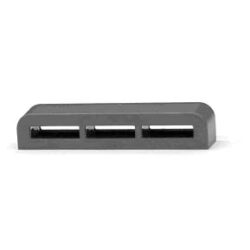
UHF RFID Tag, On Metal Tracking, 865-928 MHz, IP68 Rating, Adhesive Mounting – Asset Track Pro
Product successfully added to the Quote List
-

Durable Ironside RFID On-Metal Tag, Industrial & Aerospace Applications – Asset Track Pro
Product successfully added to the Quote List
-

Durable UHF Passive RFID Tag, 2m Range for Metal & Non-Metal Applications – Asset Track Pro
Product successfully added to the Quote List
-

Compact Passive RFID Tag with Encapsulation EM Compatible – Asset Track Pro
Product successfully added to the Quote List
-

High-Visibility Long-Range Passive UHF RFID Tag for Harsh Environments – Asset Track Pro
Product successfully added to the Quote List
-
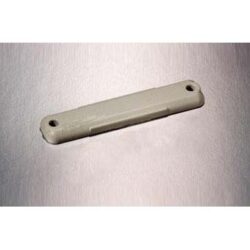
Compact Flex UHF RFID Tag for Metal & Non-Metal Assets, Rugged ABS Housing – Asset Track Pro
Product successfully added to the Quote List