Edge Computing & Integration
Overview
Edge computing and industrial integration technologies bring data processing, protocol handling, and device coordination closer to physical operations. Rather than sending every signal to a centralized system first, edge platforms process sensor inputs, equipment events, and location-related data near the source. This supports faster response times, reduced backhaul traffic, better local resilience, and more controlled handling of operational data across distributed facilities.
For organizations managing equipment, tools, mobile resources, and infrastructure across warehouses, plants, yards, service fleets, and commercial sites, these systems help connect field devices with enterprise software, supervisory controls, and analytics platforms. Typical functions include data normalization, protocol conversion, local storage, rules execution, alarm routing, and secure communications between machines and business systems. Asset Track Pro has quickly established itself as a trusted leader in delivering industrial visibility solutions, backed by ongoing research, disciplined quality assurance, and expert guidance that helps customers turn testing and measurement technologies into practical operational value.
Edge computing and industrial integration are often the operational layer between field instrumentation and decision-making systems. They help collect inputs from RFID readers, GPS modules, environmental sensors, gateways, controllers, barcode devices, machine interfaces, and industrial networks, then convert those signals into usable information for maintenance, logistics, compliance, and operational control.
That role becomes especially important when organizations need reliable equipment identification and location-aware intelligence across mixed environments. Some sites require low-latency event handling near the machine or dock door. Others need local autonomy during network interruptions, along with buffered data and controlled synchronization to cloud or on-premises platforms. Asset Track Pro supports these needs with a practical approach centered on product reliability, technical fit, and customer-focused support for North American industrial operations.
- Collect data from sensors, readers, controllers, and connected instruments deployed across warehouses, factories, utility sites, and commercial facilities.
- Process location, status, condition, and event data near the source to reduce latency for time-sensitive operational actions.
- Normalize data from mixed protocols and hardware interfaces so downstream platforms receive consistent, usable records.
- Convert between industrial communication standards, serial interfaces, Ethernet-based networks, and field-connected device protocols.
- Execute local rules for alarms, event filtering, exception handling, and workflow triggers when tagged equipment changes state or location.
- Buffer data during network interruptions and synchronize records when upstream connectivity is restored.
- Support secure integration with enterprise applications, maintenance systems, ERP platforms, WMS environments, and supervisory software.
- Aggregate data from multiple readers, gateways, scanners, and edge nodes into a structured operational dataset.
- Enable local dashboards, operator notifications, and machine-adjacent visibility for faster decisions by plant or field personnel.
- Reduce unnecessary bandwidth use by filtering, compressing, or summarizing data before transmission to central platforms.
- Support remote device administration, configuration management, and health monitoring across distributed infrastructure.
- Improve traceability for mobile equipment, returnable assets, tools, and high-value resources moving through industrial workflows.
Selecting an edge platform requires careful review of compute architecture, I/O compatibility, communications behavior, and environmental durability. Procurement teams should assess the intended workload and integration scope rather than choosing solely on processor class or enclosure style.
- Processor architecture and compute headroom
Evaluate CPU type, core count, memory capacity, and storage performance against expected workloads such as protocol conversion, local analytics, video processing, or rules execution.
- Operating system and software environment
Confirm support for Linux, Windows IoT, containerized workloads, virtualization, or vendor-specific runtime requirements used by internal engineering teams.
- Industrial protocol support
Review compatibility with Modbus, OPC UA, MQTT, BACnet, EtherNet/IP, PROFINET, CAN, serial protocols, and proprietary device interfaces if relevant.
- Input and output options
Assess serial ports, digital I/O, USB, Ethernet, wireless modules, HDMI, fieldbus support, and expansion slots needed for local instrumentation.
- Data buffering and storage endurance
Check onboard storage type, write-cycle endurance, removable media options, and local database handling for interrupted-connectivity environments.
- Network resilience and security
Consider VPN support, certificate handling, firewall controls, secure boot, role-based access, patching workflow, and remote device management capability.
- Environmental hardening
Verify operating temperature range, ingress protection, shock and vibration tolerance, fanless design, and corrosion-resistant construction when required.
- Power input flexibility
Review DC input range, surge tolerance, ignition control, PoE compatibility, UPS integration, and brownout handling for industrial installations.
- Application lifecycle and serviceability
Determine long-term availability, firmware update process, spare parts support, and recovery options for field-deployed systems.
- Integration architecture fit
Confirm whether the device is intended for fixed machine deployment, mobile equipment, remote enclosures, or centralized aggregation roles.
Industrial PCs
Industrial PCs provide the compute layer for local data acquisition, protocol bridging, application hosting, and machine-adjacent control in demanding environments. Unlike standard office hardware, these systems are designed for wider temperature ranges, continuous duty cycles, vibration exposure, and more flexible power inputs. They often host edge applications that collect data from readers, controllers, cameras, and environmental devices while forwarding selected records to enterprise or supervisory platforms. Technical evaluation should consider processor performance, storage endurance, operating system support, expansion capability, and long-term availability. For industrial visibility and equipment identification programs, industrial PCs are frequently used where local decision logic, integration middleware, and reliable hardware uptime are required near operations.
Industrial Applications for Edge Computing & Integration
- Processing reader and sensor events locally to identify equipment movement across dock doors, production zones, and warehouse staging areas.
- Bridging legacy controllers and modern enterprise software where mixed protocols must coexist within a single operating environment.
- Buffering location and condition records during network outages to preserve traceability for mobile tools and field equipment.
- Running local business rules that trigger alarms when tagged assets enter restricted zones or exceed dwell thresholds.
- Aggregating yard, fleet, and facility device data into standardized records for maintenance, logistics, and operational analysis.
- Supporting chain-of-custody workflows where locally processed timestamps and event logs strengthen audit and compliance documentation.
- Connecting barcode, RFID, GPS, and environmental systems to warehouse or plant software without full infrastructure replacement.
- Executing machine-adjacent applications that correlate equipment identity, process state, and operator inputs in real time.
- Reducing cloud bandwidth requirements by filtering repetitive event traffic and forwarding only high-value operational records.
- Powering remote enclosures and mobile service assets that require local compute, storage, and multi-interface communications.
- Hosting site-level dashboards that provide operators with immediate visibility into equipment availability, status changes, and exception events.
- Integrating inspection, measurement, and identification devices into controlled workflows for regulated handling and asset accountability.
- UL 61010
- CSA C22.2 No. 61010
- UL 62368-1
- CSA C22.2 No. 62368-1
- FCC Part 15
- ISED Canada RSS standards
- NEMA enclosure ratings
- IP ratings under IEC 60529
- NFPA 70
- NFPA 70E
- NEC hazardous location classifications where applicable
- CEC hazardous location classifications where applicable
- UL 121201 where applicable
- CSA C22.2 hazardous location requirements where applicable
- RoHS
- REACH
- ISO 9001
- ISA/IEC 62443 where applicable
- NIST Cybersecurity Framework where applicable
- OSHA electrical safety requirements
- Environment and Climate Change Canada requirements where applicable
| Instrument Type | Primary Role | Typical Data Handling Style | Connectivity Focus | Local Processing Capability | Common Deployment Context |
| Industrial PC | Application hosting, protocol bridging, local analytics | High-volume local buffering and forwarding | Multi-port wired and optional wireless | High | Machine cells, control cabinets, remote enclosures |
| Edge Gateway | Device aggregation and secure uplink | Filtered event collection and protocol translation | Field-to-enterprise communications | Moderate | Distributed sensor networks, utility panels, fleet telematics |
| Protocol Converter | Interface translation between device standards | Minimal transformation of structured data | Serial, fieldbus, or Ethernet bridging | Low to moderate | Mixed legacy and modern control environments |
| Embedded Edge Controller | Deterministic local control with integrated compute | Real-time event handling and control-state storage | Industrial network and I/O focused | Moderate to high | Equipment skids, automation panels, mobile machinery |
| Data Logger with Integration Features | Local capture and periodic export | Time-stamped record retention and scheduled transfer | USB, cellular, Ethernet, or wireless | Low to moderate | Remote infrastructure, temporary monitoring, compliance records |
Industrial implementation of edge computing and integration hardware depends heavily on where the device sits in the operational architecture and what decisions it must support. Some deployments place compute resources inside control cabinets beside PLCs and network switches. Others mount them in remote weatherproof enclosures, onboard vehicles, or near dock, storage, and yard operations where connectivity and environmental stability vary throughout the day.
Operating conditions should be reviewed first. Temperature swings, airborne dust, vibration, washdown exposure, electrical noise, and power fluctuation can all affect platform selection. Fanless designs are often preferred in contaminated or low-maintenance environments, while shock-resistant storage and locking connectors can be important for mobile or high-vibration installations. When hazardous classifications are involved, teams should treat enclosure and certification review as an engineering requirement rather than an afterthought.
Mobility requirements influence form factor, mounting strategy, and communications design. Fixed infrastructure usually supports more persistent wired networking and external power, while mobile or temporary deployments may depend on cellular backhaul, Wi-Fi roaming, GNSS inputs, ignition-aware power behavior, and compact enclosures. Systems used on service carts, trailers, containers, or field assets often need local autonomy because connectivity is not always continuous.
Power planning should account for more than rated voltage. Teams should evaluate brownout tolerance, surge resilience, backup power expectations, safe shutdown behavior, and whether the compute node must remain active during transport, engine cycling, or site power interruptions. Devices supporting local buffering and controlled restart behavior are often useful where missed records would undermine traceability.
Data handling design should align with operational objectives. Some organizations only need device aggregation and protocol translation. Others need local rules engines, containerized applications, edge analytics, event correlation, or site-level dashboards. Engineering teams should confirm timestamp consistency, store-and-forward logic, encryption, patching workflow, and integration mapping before rollout. Assumption: exact architecture will vary by site, software stack, and regulatory environment, so final specification should be validated against the intended control and IT model.
- Reduces latency for location, status, and exception handling by processing events near equipment and infrastructure.
- Improves resilience when network connectivity is unstable by retaining and forwarding records after communications recover.
- Supports integration between legacy industrial assets and modern enterprise platforms without requiring full system replacement.
- Lowers bandwidth consumption by filtering raw traffic and sending only relevant operational data to upstream systems.
- Strengthens traceability through local timestamping, event validation, and controlled synchronization of activity records.
- Enables more reliable visibility across distributed sites, remote yards, service fleets, and mixed indoor-outdoor operations.
- Supports scalable architecture by separating local device orchestration from enterprise reporting and analytics layers.
- Improves data quality through normalization, protocol conversion, and rules-based filtering before records reach business systems.
- Helps procurement and engineering teams standardize deployment approaches across different facilities and equipment classes.
- Provides a practical foundation for integrating identification hardware, sensing devices, and supervisory applications into one operational framework.
Asset Track Pro supports organizations that need technical clarity when evaluating edge infrastructure for industrial visibility. We help align hardware capability, communication architecture, and integration scope with real operating conditions rather than abstract platform claims. Our growing B2B presence across North America reflects a focus on technology innovation, product reliability, and customer-focused support that matters to engineers, procurement teams, and system integrators. Through research, continuous product development, strict quality assurance, and expert guidance, we help businesses streamline operations and extract measurable value from testing and measurement solutions tied to equipment accountability and field data collection.
What is the main purpose of edge computing in industrial equipment visibility?
Edge computing processes device and event data close to the operation so organizations can respond faster, reduce network dependency, and improve local control over asset-related records.
How do industrial PCs differ from standard commercial computers?
Industrial PCs are generally built for wider temperature ranges, higher vibration tolerance, continuous operation, more flexible power inputs, and longer product lifecycle support.
When is local data buffering necessary?
Local buffering is important when network interruptions are possible and operational records must be preserved for traceability, compliance, maintenance review, or event reconstruction.
Which protocols should be considered during platform selection?
The answer depends on the installed base, but common requirements include Modbus, OPC UA, MQTT, serial interfaces, Ethernet-based industrial protocols, and custom device drivers.
Can edge platforms support both cloud and on-premises software?
Yes, many architectures support dual integration models where filtered data is forwarded to local supervisory systems, enterprise applications, and selected cloud services.
What cybersecurity controls should technical buyers evaluate?
Teams should review secure boot, patch management, identity and access controls, encrypted communications, certificate handling, firewall behavior, and remote administration policy.
Are industrial PCs always required for edge deployments?
No. Some use cases only need a gateway or protocol converter. Industrial PCs are usually justified when local applications, analytics, visualization, or broader I/O support are required.
How should teams evaluate long-term maintainability?
Review spare parts availability, software update process, recovery methods, storage endurance, product lifecycle commitments, and the support model for distributed field deployments.
Technical teams often need help matching compute architecture, device interfaces, and operational requirements before specifying a platform. Asset Track Pro can support product inquiries, technical consultation, integration planning, and deployment guidance for industrial and commercial environments. To discuss your requirements with our team, contact Asset Track Pro so we can help you identify the right edge processing and integration approach for your infrastructure, data flow, and equipment visibility goals.
Showing 1–16 of 563 results
-
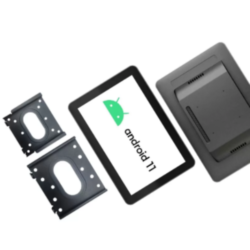
10.1 Inch Android 11 Industrial Panel PC – Asset Track Pro
Product successfully added to the Quote List
-

12.1 Inch Industrial Panel PC with Intel CPU, Touch Screen Dual LAN – Asset Track Pro
Product successfully added to the Quote List
-

12th Gen Fanless Mini PC with 2.5G LAN and DDR5 Support – Asset Track Pro
Product successfully added to the Quote List
-

12U Indoor Floor Standing Network Server Rack with Glass Door – Asset Track Pro
Product successfully added to the Quote List
-

13.3 – Inch Waterproof Industrial Tablet with Anti – Glare Display – Asset Track Pro
Product successfully added to the Quote List
-

1U Rack Edge Server with Xeon or EPYC CPU, 256GB DDR4 Memory – Asset Track Pro
Product successfully added to the Quote List
-
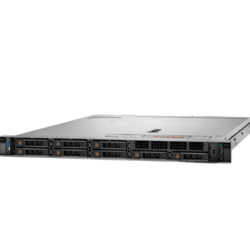
1U Rack Server with Dual Xeon, 24-Core, 1TB RAM, PERC Storage – Asset Track Pro
Product successfully added to the Quote List
-
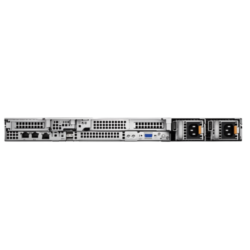
1U Rack Server, Dual Xeon, 1TB RAM, PERC Storage, PCIe Gen4 – Asset Track Pro
Product successfully added to the Quote List
-
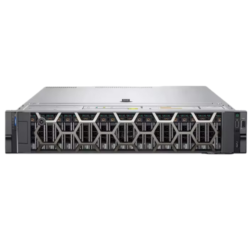
2 U High Performance Server with 32 DIMM & Advanced Storage – Asset Track Pro
Product successfully added to the Quote List
-
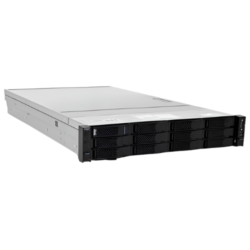
2U Edge Rack Server 2 Kunpeng 920 16 DIMM 10x SSD PCIe – Asset Track Pro
Product successfully added to the Quote List
-
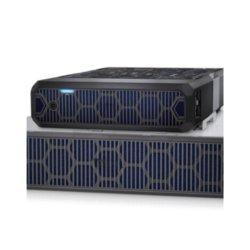
2U Edge Rack Server with 3rd Gen Xeon D CPU and 512GB RAM – Asset Track Pro
Product successfully added to the Quote List
-
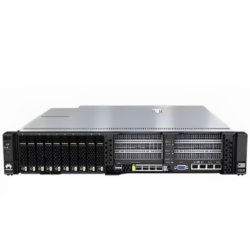
2U High-Performance Rack Server with Kunpeng 920 & PCIe 4.0 – Asset Track Pro
Product successfully added to the Quote List
-
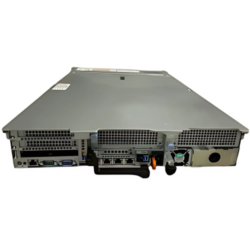
2U Rack Server with 64GB RAM, 1TB HDD & Dual CPUs – Asset Track Pro
Product successfully added to the Quote List
-
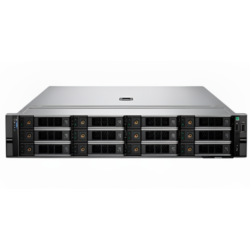
2U Rack Server with Dual Intel Xeon & Amp; DDR5 Memory Support – Asset Track Pro
Product successfully added to the Quote List
-
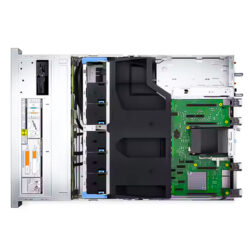
2U Rack Server with Dual Xeon CPUs PCIe Gen4 iDRAC9 – Asset Track Pro
Product successfully added to the Quote List
-
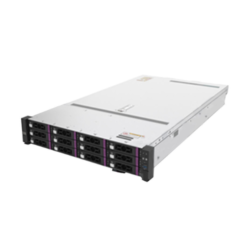
2U Rack Server with Intel Xeon, DDR5 Memory, PCIe 5.0 GPU Support – Asset Track Pro
Product successfully added to the Quote List