Features
- The energy detected by acoustic emission comes from the defects in the object under test itself
- Acoustic emission inspection methods are more sensitive to linear defects
- It can provide real-time or continuous information about defects that vary with external variables such as load, time and temperature
- Acoustic emission inspection methods can shorten the inspection downtime or do not need to stop production
- Acoustic emission inspection methods can prevent catastrophic failure of a system caused by unknown discontinuous defects and limit the maximum operating pressure of the system
Technical Specifications
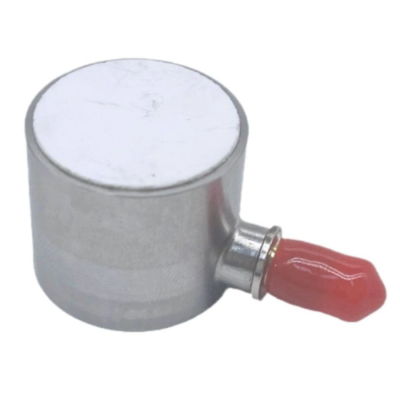
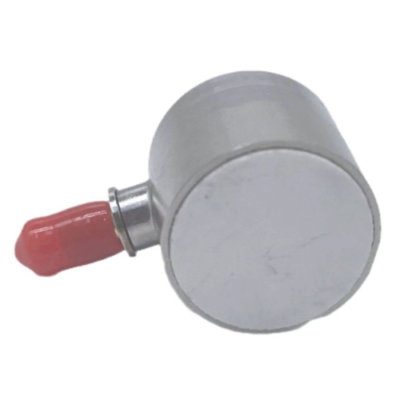
| Material | Ceramic and Stainless Steel |
| Scope of Supply | 12 VDC to 32 VDC |
| Power Wastage | 3 mA |
| Frequency Range | 100 k Hz to 1000 k Hz |
| Resonant Frequency | 150 kHz |
| Sensitivity | 120 dB |
| Operating Temperature | -4 °F to +176 °F (-20 °C to +80 °C) |